





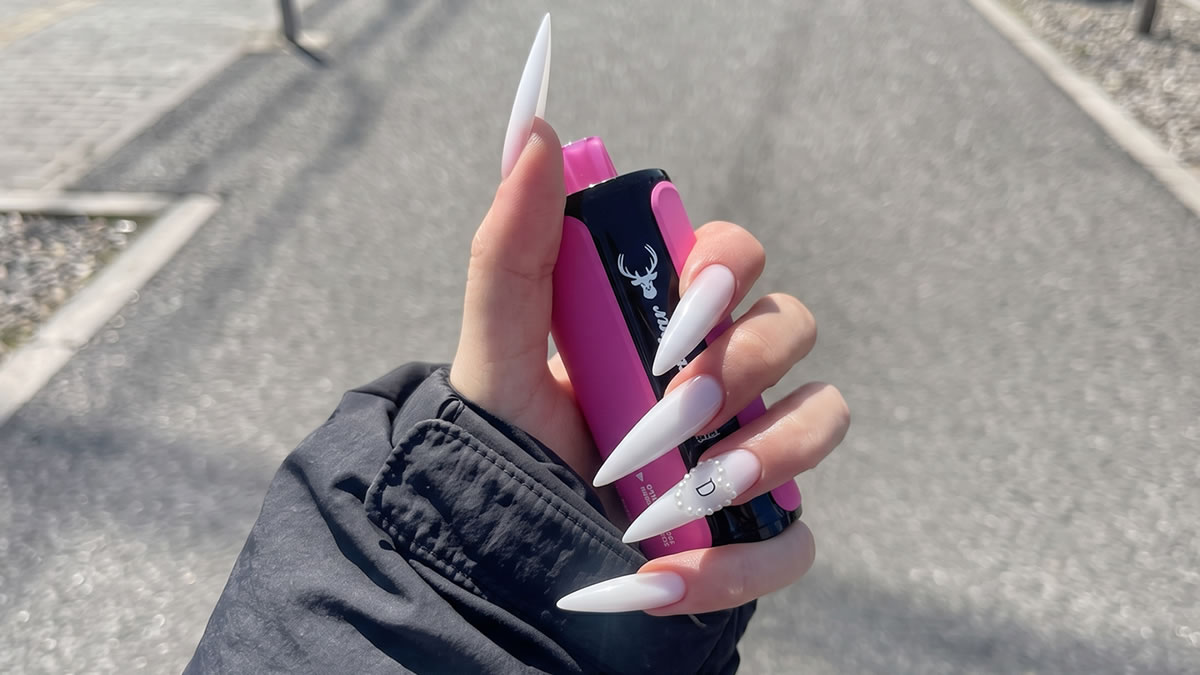
The Australian Institute of Health and Welfare (AIHW) has revealed that daily smoking in Australia fell to a historic low of 5.6% in 2025. Released on July 17, 2026, the National Drug Strategy Household Survey (NDSHS) shows that stricter vaping regulations did not trigger a compensatory rise in tobacco smoking.
The dataset, which gathered responses from over 17,500 Australians between June and December 2025, represents the first of three scheduled releases analyzing national substance use. The data indicates that Australia is on track to meet its long-term public health goals while highlighting new enforcement challenges in the parallel market.
Tobacco Smoking Reaches Unprecedented Lows
Daily smoking in Australia has maintained a steady downward trajectory since the turn of the century. The daily smoking rate for populations aged 14 and older fell from 19.5% in 2001 to 8.3% in 2022–2023, before dropping to 5.6% in 2025. This represents a reduction from 3 million daily smokers in 2001 to approximately 1.3 million today.
For adults aged 18 and older, the daily smoking rate is projected at 5.8% for 2025. This progress means Australia has surpassed its national interim target of reducing adult daily smoking below 10% by 2025. The country remains on track to achieve the 5% target set for 2030 under the National Tobacco Strategy 2023–2030.
Additionally, the proportion of Australians who have never smoked rose to 68.7% in 2025. Researchers at the Australian National University (ANU) attribute this decline to decades of strict, sustained state-level tobacco control policies, including plain packaging, high taxation, and public education campaigns.
Vaping Rates Plateau Without Driving Users to Smoking
Daily e-cigarette use, which experienced a sharp upward climb from 0.5% in 2016 to 3.5% in 2022–2023, has flattened, reaching 3.6% in 2025. Non-daily but regular vaping (including weekly or occasional use) fell slightly to 6%, down from 7% in the previous survey period.
This stabilization is particularly visible among young adults aged 18 to 24. Regular e-cigarette use in this demographic fell from 20.6% in 2022–2023 to 14% in 2025. Crucially, this reduction in vaping did not result in a rise in tobacco smoking among young adults.
These statistics directly counter arguments from opponents of strict e-cigarette laws, who argued that restricting vape access would push users toward combustible cigarettes. Instead, the decline of vaping in Australia has occurred alongside a continued reduction in smoking. Overall nicotine use across the population fell to 15.2% in 2025, down from 17.4% in 2022–2023.
| Metric (Population Aged 14+) | 2001 | 2022–2023 | 2025 |
|---|---|---|---|
| Daily Tobacco Smoking Rate | 19.5% | 8.3% | 5.6% |
| Daily Vaping Rate | 0.5% (2016) | 3.5% | 3.6% |
| Regular Vaping (Ages 18–24) | — | 20.6% | 14.0% |
| Overall Nicotine Use (Past 12 Months) | — | 17.4% | 15.2% |
Emerging Use of Nicotine Pouches Triggers Swift Ban
For the first time, the 2025 survey distinguished between modern nicotine pouches and traditional tobacco-based snus, which has been banned in Australia since 1991. The data revealed that 1.8% of Australians aged 14 and older used nicotine pouches in the past year, compared to 0.8% who used snus.
This trend is concentrated among young adults aged 18 to 24, where 8.4% reported using nicotine pouches and 3.8% reported using snus over the past 12 months. Additionally, the proportion of individuals using three or more distinct forms of nicotine has nearly doubled since 2016.
To prevent a new wave of youth nicotine dependency, the federal government announced immediate restrictions on the day of the survey's release. Effective July 24, 2026, nicotine pouches are excluded from all existing access pathways, including the Special Access Scheme, Authorised Prescribers Scheme, and Personal Importation Scheme. Individual importation of these pouches, even with a valid medical prescription, is now prohibited.
The Challenge of the Illicit Tobacco and Vape Market
While consumption rates are down, the survey highlights a sharp rise in the illicit market. Approximately 34% of current smokers reported purchasing or using illicit tobacco, a steep increase from 16.7% in 2022–2023 and 10% in 2019.
This illicit activity includes:
- Unbranded Tobacco ("Chop Chop"): 16.4% of smokers reported using loose, unpackaged tobacco.
- Non-Compliant Branded Tobacco: 22.6% purchased branded tobacco lacking plain packaging or required graphic health warnings within the past three months.
The parallel market heavily impacts vaping distribution. Under current laws, vapes are legally restricted to pharmacies. However, only 2.5% of vapers purchased their devices from a physical pharmacy, and only 4.8% used an online pharmacy. The remaining majority sourced their products from unauthorized retail channels, primarily local tobacconists.
Researchers note that the growth of unauthorized supply lines remains the primary concern of the 2025 findings. Rather than relaxing current laws, public health analysts argue these numbers show a clear need for stronger border enforcement and stricter penalties for non-compliant retail shops to protect the progress made in reducing national smoking rates.

Vape Industry Content Creator | Product Reviewer | Harm Reduction Advocate
Alex Chen is a professional vape content creator with a strong focus on product education, industry trends, and harm reduction. With years of hands-on experience testing disposable vapes, pod systems, and e-liquids, Alex provides clear, unbiased insights to help adult consumers make informed decisions.