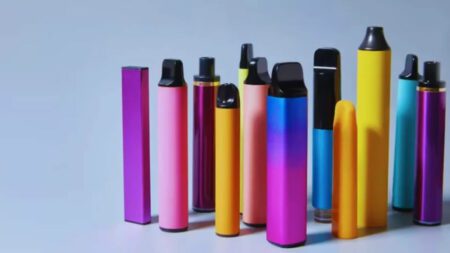





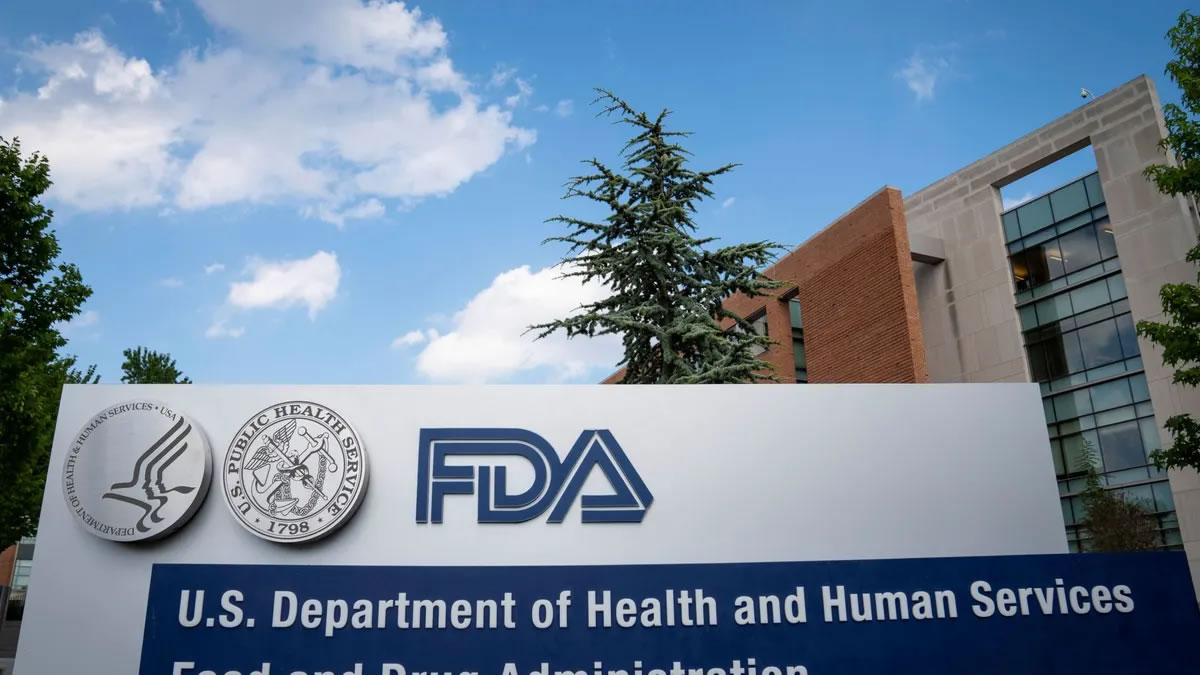
Senior officials within the Food and Drug Administration’s (FDA) tobacco center were blindsided by a newly published policy memo that opens the U.S. market to unauthorized electronic cigarettes and nicotine pouches. Released just before the resignation of former FDA Commissioner Marty Makary, the guideline represents a dramatic departure from the agency's long-standing requirement of scientific verification prior to product launches.
According to internal agency sources, key staffers tasked with enforcing vaping regulations were completely excluded from drafting the document, only discovering its existence the night before publication. The sudden move has sparked intense internal confusion, forcing FDA officials into hours-long meetings to determine how to implement the six-page directive.
The controversial guidelines bypassed the federally mandated public comment and revision periods. This rapid finalization followed months of intense lobbying from industry representatives close to the White House, culminating in the approval of the first fruit-flavored vapes (mango and blueberry) during Makary's final week in office.
| Regulatory Aspect | Previous FDA Policy | New Guidance Framework |
|---|---|---|
| Pre-Market Approval | Strict scientific verification of health benefits required before any market entry. | "Enforcement discretion" allows certain unauthorized products to sell while under review. |
| Flavored Products | Systematic rejection of sweet, fruit, and candy flavors to protect youth. | Broader openness to authorizing flavors; less appetite for sweeping flavor enforcement. |
| Enforcement Targets | Broad crackdowns on all unauthorized flavored products. | Prioritized focus on extreme bad actors (e.g., vapes designed like children's toys). |
Under the new framework, the FDA plans to publish a list of unauthorized e-cigarettes and nicotine pouches that will be granted "enforcement discretion." This policy effectively shields qualifying products from being targeted for removal, provided they are currently undergoing active scientific review by the agency.
While public health advocates express concern, some industry players view the shift as a pragmatic response to a market already saturated with illicit products. Disposable Chinese vapes, which currently account for an estimated 80% of U.S. sales, have flooded retail shelves since the exit of Juul’s high-nicotine flavored products in 2017.
“The choice we face is not whether flavored vaping products should be sold in the U.S. They already are,” noted Robyn Gougelet, a Juul vice president. Gougelet argued the real choice is whether these products should be legally regulated and responsibly marketed, or left to illicit smuggling networks.
However, the policy is poised to create distinct winners and losers within the tobacco sector. Because "enforcement discretion" is limited to products advanced enough to be under active scientific review, major tobacco companies with vast regulatory resources stand to benefit the most.
Smaller manufacturers and importers fear they will be systematically shut out. Tony Abboud of the Vapor Technology Association warned that multinational tobacco firms "would love nothing more than to see their largest swath of competitors out of the marketplace."
- Press Release: FDA Issues Guidance on Enforcement Priorities for Unauthorized ENDS and Nicotine Pouch Products

Vape Industry Content Creator | Product Reviewer | Harm Reduction Advocate
Daniel Brooks is a vape industry content creator with a strong focus on product reviews, device performance, and consumer education. With extensive hands-on experience using disposable vapes, pod systems, and e-liquids, Daniel provides practical, unbiased insights for adult consumers.