





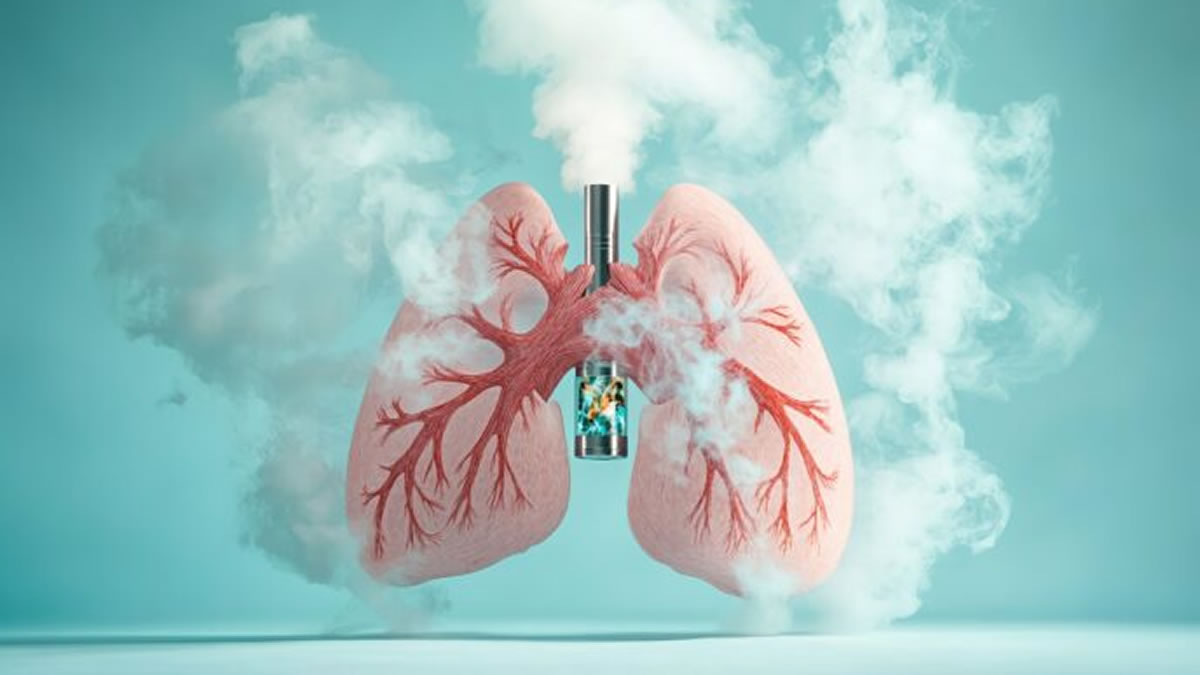
Researchers from the Herbert Wertheim School of Public Health have confirmed that intense media coverage of EVALI and aggressive public health campaigns directly caused a massive drop in US youth vaping. This convergence of media forces in 2019 shattered youth complacency, leading to a historic surge in quit attempts.
According to the study published in BMC Public Health, 2019 marked a definitive turning point. Youth vaping prevalence in the United States had steadily climbed from 8.1% in 2017 to a peak of 20% in 2019. Following this peak, a sustained decline began, driving the rate down to 5.9% by 2024.
Senior author Shu-Hong Zhu noted that the behavioral shift observed among California youths during this period was exceptionally rare on a population level. He attributed this to a "convergence of different media forces" that motivated addicted youths to quit while simultaneously scaring off potential new users.
Two major forces collided in the public consciousness during 2019:
- Aggressive Anti-Vaping Campaigns: Multi-million dollar initiatives launched by the Food and Drug Administration (FDA), the Truth Initiative, and state-level programs like California's Tobacco Control Program.
- EVALI Media Coverage: An explosion of news regarding E-cigarette or Vaping Product Use-Associated Lung Injury (EVALI), which resulted in over 2,800 hospitalizations and 68 deaths. Between July 2019 and March 2020, nearly 20,000 EVALI-related news articles were published online.
To measure the impact of these events, researchers analyzed data from the California Student Tobacco Survey, a large-scale biennial survey of 8th, 10th, and 12th graders. They compared data from the 2017/18 cycle (over 117,000 students, pre-campaigns) with the 2019/20 cycle (over 143,000 students, peak campaign and EVALI coverage).
The comparative data revealed striking shifts in youth attitudes and behaviors regarding e-cigarettes:
| Youth Vaping Metric | 2017/18 (Pre-EVALI/Campaigns) | 2019/20 (Peak EVALI/Campaigns) |
|---|---|---|
| Attempted to Quit (Past Year) | 28.8% | 53.2% |
| Expressed Intention to Quit | 56.9% | 79.1% |
| Susceptibility to Try Vaping (Never-Vapers) | 30.3% | 25.7% |
The study confirmed that exposure to anti-vaping campaigns and awareness of EVALI independently increased the likelihood of quit attempts. However, awareness of EVALI had a unique effect: it significantly reduced the susceptibility of "never-vapers" to try vaping in the future—an effect not observed with the anti-vaping campaigns alone.
This finding is particularly notable given the financial contrast. National anti-vaping campaigns cost over $100 million annually, whereas EVALI awareness was driven primarily by organic, "free" media coverage of the health crisis.
The pervasive nature of EVALI reporting was partly due to the initial mystery surrounding its cause. Because early reports broadly blamed "vaping," most youths falsely believed nicotine was responsible. Even after authorities linked the outbreak to illicit THC vape cartridges, the lingering misconception continued to suppress nicotine vaping rates.
Researchers highlighted that similar trend reversals have not occurred in countries like England, where youth vaping continues to rise. They suggest that cross-national comparisons of media landscapes and regulatory frameworks could inform the next generation of global tobacco control strategies.
"Population-level quit attempt rates almost never change this dramatically from one time point to the next," emphasized first author Jijiang Wang. "When it does happen, it tells us something important about what is possible when the media environment shifts."
- Reference: Vaping-Abwärtstrend unter US-Jugendlichen: Erfolg von Kampagnen und EVALI-Berichterstattung

Vape Industry Content Creator | Product Reviewer | Harm Reduction Advocate
Daniel Brooks is a vape industry content creator with a strong focus on product reviews, device performance, and consumer education. With extensive hands-on experience using disposable vapes, pod systems, and e-liquids, Daniel provides practical, unbiased insights for adult consumers.