





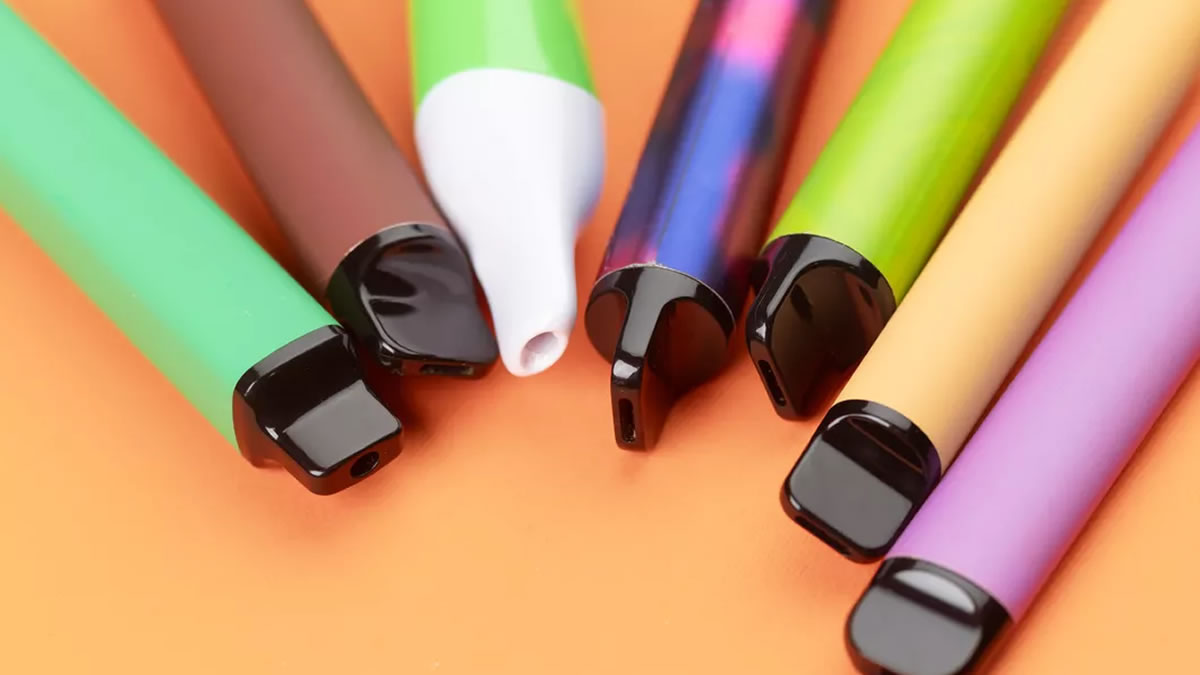
Germany's Ministry of Food and Agriculture is planning to ban 13 additives in e-cigarettes, including menthol and various cooling agents. The proposal, driven by youth protection concerns and health assessments from the BfR, has already passed internal government voting and is now being reviewed by federal states and associations. Industry critics warn this could amount to a de facto ban on most current vape products.
Key Takeaways:
- Proposed Ban: 13 substances, including menthol and cooling agents, targeted.
- Health Rationale: BfR warns cooling effects facilitate inhalation and youth initiation.
- Industry Backlash: Trade associations fear a "complete ban through the backdoor" and black market growth.
- Expert Concerns: Doctors warn restrictions might push vapers back to traditional smoking.
The German Federal Ministry of Food and Agriculture has confirmed plans to prohibit menthol and 12 other additives in electronic cigarettes. This development occurs amidst a broader push for youth protection, directly resulting in fierce opposition from industry representatives who fear a collapse of the legal vaping market.
Targeting the "Cooling Effect"
The ministry's initiative relies heavily on assessments from the Federal Institute for Risk Assessment (BfR), which classifies the targeted substances as health hazards. A primary concern is the inhalation-promoting effect of cooling agents.
According to the ministry, the sensation of coldness masks the harshness of vapor, making it easier for new users—particularly children and adolescents—to start smoking or vaping. "Children and young people, in particular, should not start smoking or consuming nicotine in the first place," a ministry spokesperson stated. This move aligns with EU-wide regulations that have already banned menthol in traditional tobacco products since 2020.
Industry Warns of "De Facto Ban" and Black Market Surge
The Association of the E-Cigarette Trade (VdeH) has reacted sharply to the proposal. They argue that the affected substances are present in nearly all legally available e-liquids today. Oliver Pohland, the association's managing director, warned, "Such a project is a de facto complete ban on the entire e-cigarette product category through the backdoor."
The association also criticized the method of implementation—via a regulation rather than a parliamentary legislative process—and disputed the scientific basis for banning menthol and sucralose. They contend that e-cigarettes are proven to be around 95% less harmful than tobacco and warn that restricting legal products will drive consumers to the black market, which already accounts for an estimated 50% of e-cigarette trade.
Environmental and Health Experts Weigh In
Reactions from other sectors are mixed. The Environmental Action Germany (DUH) criticized the ministry for not going far enough, demanding a complete ban on disposable vapes rather than just specific flavors, fearing manufacturers will simply substitute ingredients.
Conversely, an interdisciplinary group of doctors expressed concern about unintended consequences. Citing studies from the US, such as the 2018 flavor ban in San Francisco, they noted that while flavor restrictions might reduce vaping, they can inadvertently increase traditional cigarette smoking among youth and adults who use vapes for harm reduction.

Vape Content Creator | Flavor Reviewer | Lifestyle & Vape Culture Editor
Emily Carter is a vape-focused content creator specializing in flavor reviews, device aesthetics, and lifestyle-oriented vaping content. With hands-on experience testing disposable vapes and pod systems, Emily delivers clear, visually driven insights designed for adult consumers.