





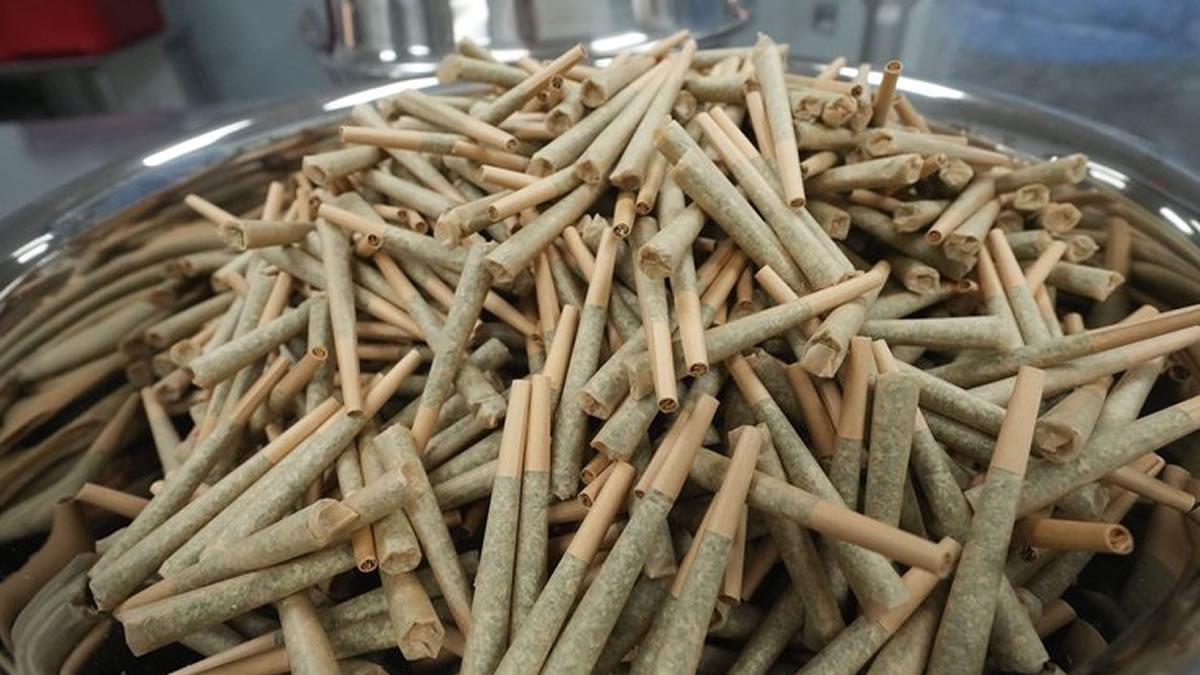
President Donald Trump signed an executive order on Thursday reclassifying marijuana from a Schedule I to a Schedule III drug under federal law. This significant move eases longstanding restrictions but explicitly stops short of full legalization. Trump emphasized that the order "doesn't legalize marijuana in any way, shape or form and in no way sanctions its use as a recreational drug," framing the decision as a recognition of the drug's potential medical benefits while maintaining safeguards against recreational abuse.
The reclassification shifts cannabis from the most restrictive category, Schedule I—reserved for substances with no accepted medical use and a high potential for abuse—to Schedule III. This change acknowledges that marijuana can have legitimate medical applications when carefully administered. Trump highlighted that this move will "make it far easier to conduct marijuana-related medical research," allowing scientists to study benefits, potential dangers, and future treatments more effectively. Previously, strict Schedule I regulations made such research nearly impossible.
The order also addresses some of the economic challenges faced by the state-legal cannabis industry. Currently, businesses in states where marijuana is legal operate in a difficult gray area due to the federal ban, restricting their access to banking and certain tax provisions. Paul Armentano, deputy director of the National Organization for the Reform of Marijuana Laws (NORML), noted that while the move "validates the experience" of patients and could provide tax relief to businesses, it still "falls well short" of harmonizing federal policy with the laws of the many states that have legalized recreational use.
The decision has drawn mixed reactions. Colorado Governor Jared Polis praised the step as "good to see the federal government finally following suit" with state-level progress, though he called for full descheduling. Conversely, a group of 24 Republican senators, led by Ted Budd of North Carolina, urged Trump against the move in a letter. They argued that marijuana has a high likelihood of abuse and no medical value, warning that tax breaks for the industry could fuel marketing that reaches children and lead to societal costs that outweigh economic benefits.
This executive order marks a major chapter in the decades-long evolution of cannabis policy, bridging a gap between federal prohibition and the reality of legalization in over half of the United States.

Vape Content Creator | Flavor Reviewer | Lifestyle & Vape Culture Editor
Emily Carter is a vape-focused content creator specializing in flavor reviews, device aesthetics, and lifestyle-oriented vaping content. With hands-on experience testing disposable vapes and pod systems, Emily delivers clear, visually driven insights designed for adult consumers.