





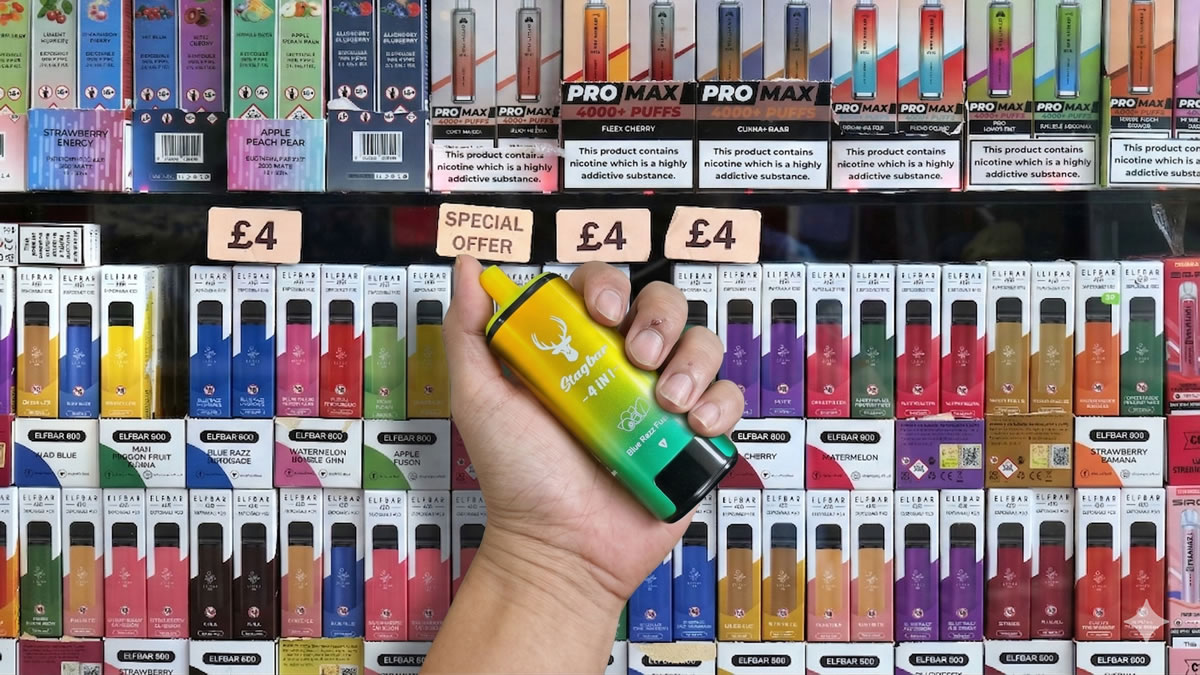
HM Revenue and Customs (HMRC) has officially opened applications for the new UK Vaping Products Duty (VPD) and Duty Stamps Scheme. Taking effect October 1, 2026, the flat-rate tax applies to all e-liquids. Businesses must register immediately to secure approval and avoid severe criminal or civil sanctions.
The regulatory framework for the UK vaping industry is undergoing a massive fiscal transformation. HM Revenue and Customs (HMRC) has officially sounded the alarm for all vape manufacturers, importers, and warehouse operators. Applications for the highly anticipated Vaping Products Duty (VPD) and the accompanying Vaping Duty Stamps (VDS) Scheme are now open. The message from the government is unambiguous. Prepare your supply chains now, or risk losing your legal right to trade.
This is not a minor administrative update. It is a fundamental overhaul of how nicotine and non-nicotine e-liquids are tracked, taxed, and sold across the United Kingdom. Rachel Nixon, HMRC’s director of indirect tax, made the stakes clear. She emphasized that securing approval is an absolute prerequisite for businesses to continue operating legally once the new tax regime goes live.
What does this mean for your daily operations? The approval process is not instantaneous. HMRC explicitly warns that processing applications will take a minimum of 45 working days, especially if investigators require additional documentation. Waiting until the late summer of 2026 to file paperwork is a guaranteed recipe for supply chain paralysis.
Understanding the Tax: A Flat Rate on All Liquids
The mechanics of the Vaping Products Duty are designed to cast a wide net. Starting October 1, 2026, the VPD will be levied as a flat rate across the board. Here is the reality that many operators might overlook: this duty applies to all vaping liquids, regardless of their nicotine content. Zero-nicotine shortfills and heavy nicotine salts will both trigger the tax liability.
To enforce this, the government is rolling out the Vaping Duty Stamps (VDS) Scheme. This initiative is engineered to complement HMRC’s broader compliance activities. By requiring physical stamps on retail packaging, authorities can instantly identify illicit, non-duty-paid products on store shelves. It is a direct strike against the black market and a move to drastically tighten supply chain management.
The Logistical Timeline: What You Need to Know
Navigating this transition requires precise inventory forecasting. The government has laid out a strict, phased timeline that businesses must follow to the letter.
- April 1, 2026: The starting gun. HMRC officially opens the application window for manufacturers, importers, and warehousekeepers to seek formal approval.
- Until August 31, 2026: The transitional phase. Approved businesses can purchase "transitional" duty stamps. These initial stamps will feature physical security elements but lack a digital component. This allows companies to prep their inventory for the October launch. However, you cannot affix these transitional stamps to any product after September 30.
- September 1, 2026: The digital shift. From this date forward, HMRC-approved entities can only purchase the final, highly secure duty stamps equipped with digital tracking features.
- Before October 1, 2026: The holding period. You may have stamped products sitting in your warehouse, but they cannot legally be released onto the open market yet.
- October 1, 2026: The go-live date. The VPD officially applies. Every single new vaping product released by manufacturers or suppliers for UK sale must carry a valid duty stamp.
The Retailer Grace Period
What about the thousands of independent vape shops holding massive amounts of unstamped inventory? The government has built in a transition arrangement to prevent immediate retail collapse. Retailers are granted a six-month grace period. From October 1, 2026, until March 31, 2027, shop owners can legally sell through their existing, unstamped stock.
However, any new duty-liable stock purchased from distributors after October 1 must bear the official stamp. By April 1, 2027, the grace period evaporates. From that day on, absolutely all vaping products held outside of approved duty suspension must carry a valid stamp. No exceptions.
The Strategy Behind the Tax
Why is the UK government executing this massive logistical undertaking? It ties directly into their broader "Plan for Change" and the ambition to engineer a smoke-free generation.
At the Autumn Budget 2024, the Treasury confirmed the VPD's introduction with two primary goals. First, to reduce the affordability and visual appeal of vaping products, specifically aiming to deter youth uptake. Second, to generate massive state revenue. Treasury analysis projects that this new excise duty will pull in more than £550 million annually by the 2030-31 fiscal year. These funds are earmarked for essential public services, heavily targeting the NHS.
Yet, the government is attempting a delicate balancing act. While they are taxing vapes to deter youth, they are simultaneously increasing traditional tobacco duty. The strategic goal is to maintain a clear price gap, ensuring that combustible cigarettes remain significantly more expensive. This preserves the financial incentive for adult smokers to choose vaping as a harm-reduction alternative.
The Cost of Non-Compliance
HMRC is not treating this as a suggestion. The newly published guidance—available by searching 'vaping duty' on GOV.UK—outlines severe consequences for operators who fail to adapt. The documentation details specific requirements for imports, exports, duty suspension movements, and the unique jurisdictional position of Northern Ireland.
Failing to register, miscalculating duty, or attempting to move unstamped products after the deadlines will trigger aggressive enforcement. Non-compliance will result in heavy civil penalties, massive financial fines, and potential criminal prosecution.
The message to the industry is clear. The era of a lightly taxed UK vape market is ending. Consolidate your records, understand your supply chain liabilities, and begin the HMRC approval process immediately. Delaying this administrative reality is a risk no business can afford to take.

Vape Industry Content Creator | Product Reviewer | Harm Reduction Advocate
Alex Chen is a professional vape content creator with a strong focus on product education, industry trends, and harm reduction. With years of hands-on experience testing disposable vapes, pod systems, and e-liquids, Alex provides clear, unbiased insights to help adult consumers make informed decisions.