





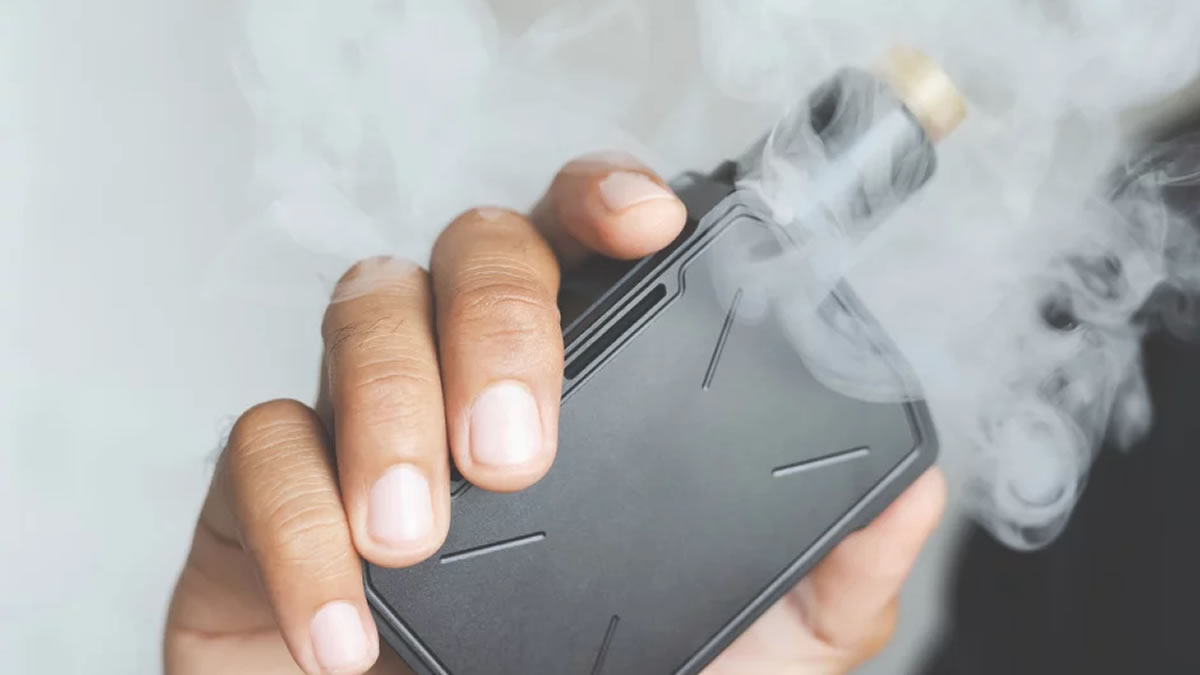
New Zealand's latest youth survey reveals a significant public health victory: vaping rates among school-aged teenagers have plummeted, while daily smoking has become nearly negligible. Figures released on November 30, 2025, show that the proportion of Year 10 students (ages 14-15) vaping at least monthly has halved from its peak. Daily vaping in this group has also dropped to approximately 7.1%, down from roughly 10.1% in 2022. Meanwhile, daily cigarette smoking among Year 10s sits at a negligible 1%.
These trends suggest that strengthened regulations—such as age limits, packaging rules, and retail restrictions—alongside shifting social norms, are effectively reversing the youth vaping surge and advancing the country's "smoke-free generation" goal. However, the data highlights persistent inequities. While overall rates are falling, Māori teenagers continue to report significantly higher daily vaping rates (~16.5%) compared to non-Māori peers. Experts warn that Māori and Pacific youth remain at greater risk of nicotine uptake.
The challenge now lies in ensuring these health gains are shared equitably. For Māori communities, reducing youth nicotine dependence offers a foundation for better intergenerational wellbeing, but targeted, culturally responsive interventions are crucial to close the gap. The focus must remain on sustaining this downward trend and ensuring Māori leadership drives holistic strategies that address both youth prevention and adult cessation.
- News source: Youth vaping drops, smoking remains very low – a promising sign, but not all wins are equal

Vape Content Creator | Flavor Reviewer | Lifestyle & Vape Culture Editor
Emily Carter is a vape-focused content creator specializing in flavor reviews, device aesthetics, and lifestyle-oriented vaping content. With hands-on experience testing disposable vapes and pod systems, Emily delivers clear, visually driven insights designed for adult consumers.