





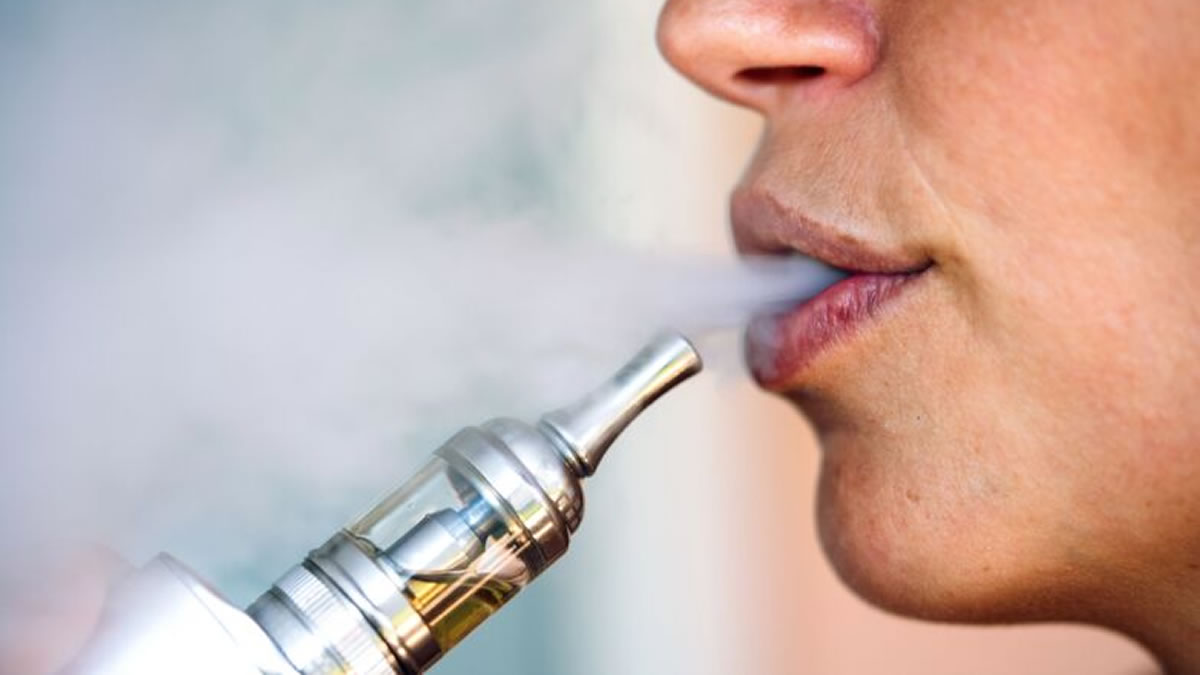
Mexico's constitutional ban on electronic cigarettes has backfired, accelerating the transfer of a lucrative industry directly into the hands of organized crime. Following a 2025 constitutional amendment that equates vapes with deadly substances like fentanyl, the illicit market has exploded. Reports indicate that at least seven major cartels, including the Jalisco New Generation and Sinaloa cartels, are now warring for control of the vape trade to finance their operations across 16 states.
Key Takeaways
- Constitutional Ban: Mexico amended its constitution in Jan 2025 to ban the import and sale of vapes, equating them with fentanyl.
- Cartel Takeover: Seven cartels, including Jalisco New Generation and Sinaloa, now dominate the black market.
- Funding Violence: Profits from illegal vapes are used to fund weapons and logistics for criminal groups.
- Failed Policy: Experts warn the ban has handed the market to non-state actors rather than reducing consumption.
Unintended Consequences: From Regulation to Black Market
The legislative crackdown, initiated by former President López Obrador and finalized under President Claudia Sheinbaum, aimed to eliminate vaping. However, the result has been a regulatory vacuum filled by violence. By placing vapes on the same legal tier as fentanyl, the government pushed the entire supply chain underground. A new law in December closed legal loopholes, imposing prison sentences of up to eight years for sales, but this only increased the product's value for criminal organizations.
Strategic Insight:
"The ban, instead of reducing consumption, is handing the market over to non-state groups... profits serve as a strategic fund to finance weapons and criminal logistics." — RIA Institute Researchers.
The New "Narco-Commodity"
Vapes have become a critical revenue stream for cartels, entering the country primarily from China and the United States. The report "Smoke, vaping and power" identifies seven specific groups vying for territory. Unlike traditional narcotics, vapes offer a high-margin, high-demand product with an established user base. Researchers argue that regulation—not prohibition—would have allowed for quality control and tax revenue, rather than fueling corruption and violence in an already volatile nation.
Is vaping illegal in Mexico?
Yes. The sale, distribution, and import of electronic cigarettes are constitutionally banned. While consumption itself is not explicitly criminalized, purchasing products supports the illegal cartel market.

Vape Industry Content Creator | Product Reviewer | Harm Reduction Advocate
Daniel Brooks is a vape industry content creator with a strong focus on product reviews, device performance, and consumer education. With extensive hands-on experience using disposable vapes, pod systems, and e-liquids, Daniel provides practical, unbiased insights for adult consumers.