





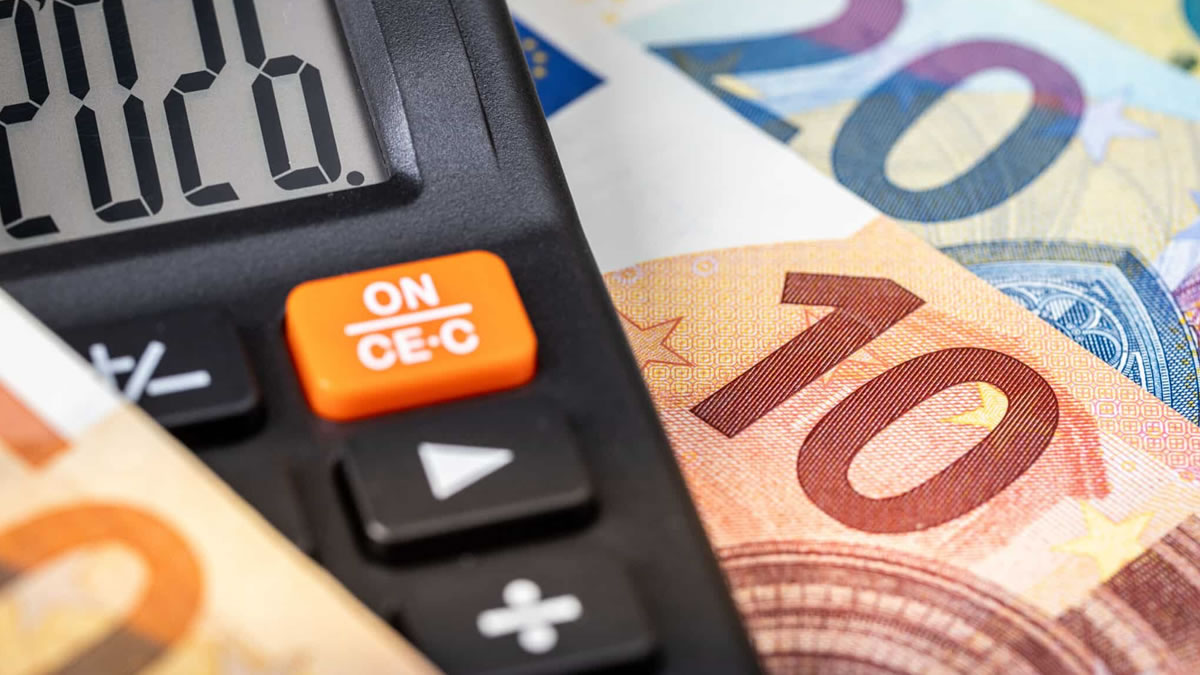
The French government has officially abandoned Article 23 of the 2026 Finance Bill (PLF), which proposed a new tax on vaping liquids and stricter regulations for the e-cigarette market. The measure was removed following the activation of Article 49.3 of the Constitution on January 20, 2026, by the Lecornu government. This decision marks a significant victory for the pro-vaping lobby but raises serious concerns among public health organizations like the CNCT, who warn that the unregulated expansion of nicotine products among youth remains a critical threat.
Key Takeaways
- Tax Cancelled: The proposed excise duty of €0.30 to €0.50 per 10mL on e-liquids has been scrapped.
- Regulation Dropped: Plans to ban online sales and require a "tobacconist-style" license for vape shops were also abandoned.
- Lobbying Impact: A structured campaign by the vaping industry and tobacco giants successfully weakened and eventually removed the measures.
- Youth Usage: Data shows 64% of French 18-24 year olds have experimented with vaping, highlighting the urgency of future regulation.
The Lost Opportunity: What Article 23 Proposed
The legislative text reveals that Article 23 was not merely a tax hike but a comprehensive regulatory overhaul designed to curb youth access. Initially, the bill aimed to treat vaping products—including nicotine-free CBD liquids—with a severity closer to traditional tobacco.
The government's original plan included a specific excise tax based on nicotine concentration: €0.30 per 10mL bottle for liquids up to 15mg/mL, and €0.50 for stronger concentrations. Given that these bottles typically retail between €5 and €7, this would have represented a noticeable price increase. More significantly, the text proposed banning online sales and implementing a mandatory accreditation system for retailers. This would have effectively prevented vape shops from opening near schools and cut off the digital supply chain, which currently accounts for 25% of the sector's sales.
Lobbying Power vs. Public Health
A deep dive into the political maneuvering behind the scenes exposes the commercial interests at play. The removal of Article 23 followed an intense lobbying campaign orchestrated by the tobacco and nicotine industries. Organizations like France Vapotage—which has ties to the tobacco industry—mobilized public opinion by framing the tax as a penalty on "harm reduction" tools. They argued that making vaping more expensive would deprive smokers of a less harmful alternative.
Interestingly enough, the Comité National Contre le Tabagisme (CNCT) argues that this "harm reduction" narrative is a Trojan horse. They point out that the industry's strategy is to normalize new nicotine products (heated tobacco, nicotine pouches) to hook a new generation of non-smokers. While e-cigarettes are not classified as tobacco products in Western Europe, they are far from harmless. The CNCT emphasizes that early nicotine dependence creates a "gateway effect," leading young users toward other addictive substances.
Comparison Matrix: The Battle for Regulation
The debate pits commercial freedom against strict health protection. The following table outlines the conflicting positions.
| Measure | Government Proposal (Article 23) | Industry Stance (Lobby) |
|---|---|---|
| Taxation | €0.30 - €0.50 excise per 10mL. | Opposed (claims it punishes quitters). |
| Distribution | Ban on online sales; Accreditation required. | Opposed (defends open market access). |
| Goal | Reduce youth accessibility (Health). | Maintain "Harm Reduction" access (Commercial). |
| Outcome | Abandoned via 49.3 | Victory (Status Quo retained) |
The Inevitability of Future Regulation
While the 2026 Finance Bill will not include these measures, the regulatory pause is likely temporary. The global trend is moving decisively toward stricter control. Currently, at least 46 countries have banned the sale of e-cigarettes (including disposable "puffs" in France, Belgium, and the UK), while 82 others regulate their distribution. The scientific consensus on the nocivity of vaping is growing, and the aggressive marketing targeting youth makes the status quo unsustainable.
The CNCT's white paper continues to recommend a "middle path" fiscal policy: taxes higher than consumer goods but lower than tobacco, combined with plain packaging and a ban on flavors. With 8.7% of French adults aged 25-35 vaping daily, the pressure to implement a legal framework will only increase in future legislative sessions.
Will vape prices rise in France in 2026?
No, not due to tax. With the removal of Article 23, the proposed excise duty is dead for now. However, inflation and manufacturing costs may still affect retail prices independent of government tax policy.
Reference:
[1]Budget 2026 : la taxe sur les liquides de vapotage disparaît avec l’utilisation du 49.3, Libération et AFP, publié le 20 janvier 2026, consulté le 21 janvier 2026
[2]Global Center for Good Governance in Tobacco Control, E-CIGARETTE BAN & REGULATION: Global Status as of May 2025, publié le 4 juin 2025, consulté le 16 décembre 2025

Vape Industry Content Creator | Product Reviewer | Harm Reduction Advocate
Daniel Brooks is a vape industry content creator with a strong focus on product reviews, device performance, and consumer education. With extensive hands-on experience using disposable vapes, pod systems, and e-liquids, Daniel provides practical, unbiased insights for adult consumers.